
For a while, Saudi Arabia looked like it would have the transformative effect that the Chinese Super League had a decade ago, when, for a brief period, big names were attracted by the huge salaries on offer to leave European and South American football.
In the end that was short-lived as the Chinese authorities grew alarmed at the spending and restricted it, quietly shelving their stated ambition to hold the World Cup by 2050 in the process.
Similarly, having achieved the goal of being awarded the World Cup, it seemed Saudi Arabia was losing interest in the spectacular transfer spending that had transformed its football league.
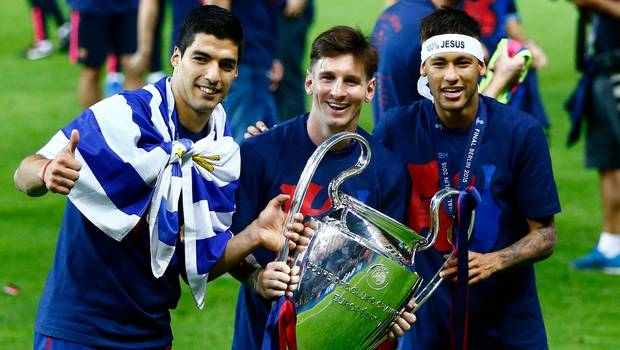
The arrival of Cristiano Ronaldo, Karim Benzema, Neymar, Sadio Mané and other global stars had made the Saudi Pro League one of the biggest stories in football. But the emphasis has since shifted. The league has openly moved towards a more sustainable model, with greater interest in younger players and longer-term sporting development.
However, Al-Hilal have begun signalling a different message thos summer.
The club have already signed 24-year-old Dutch international Crysencio Summerville from West Ham United on a four-year contract. The move fits the new Saudi strategy rather neatly — Summerville is young enough to offer several years at his peak rather than being recruited simply as a famous player approaching the end of his career.
But they are not stopping there.
They have held talks with representatives of Harry Kane and are reported to regard the England captain as their preferred striker target. And whilst Kane is expected to extend his contract with Bayern Munich, the fact that Al-Hilal are prepared to explore such a deal demonstrates that the appetite for elite players has certainly not disappeared.
There is also a much more realistic target in Ollie Watkins. Al-Hilal have reportedly agreed personal terms with the Aston Villa striker and are preparing to negotiate with his club after an initial bid was rejected.
Watkins is another indication of how the strategy has changed. He is not a global superstar in the mould of Ronaldo or Neymar, but he is an established Premier League striker who could make an immediate difference to Al-Hilal.
Whilst these actions seem contrary to the trend, there is actually a simple explanation.
The answer is that Saudi Arabia has not stopped spending. It has become more selective about where the money goes.
The first phase was about attracting attention. Bringing the biggest names in world football to Saudi Arabia was a way of establishing the league’s credibility and international profile. The next phase is more about building strong clubs and improving the quality of the competition.
That does not mean the spectacular signing has disappeared. If Al-Hilal could somehow persuade Kane to move, it would still be a statement signing of the highest order.
But Summerville is arguably the more revealing purchase. He represents a Saudi Pro League that wants to recruit outstanding players earlier in their careers rather than simply waiting for established stars to approach the end of them.
The money is still there.
The difference is that Saudi Arabia now appears to want rather more for it than just a marquee signing who sells shirts.
.