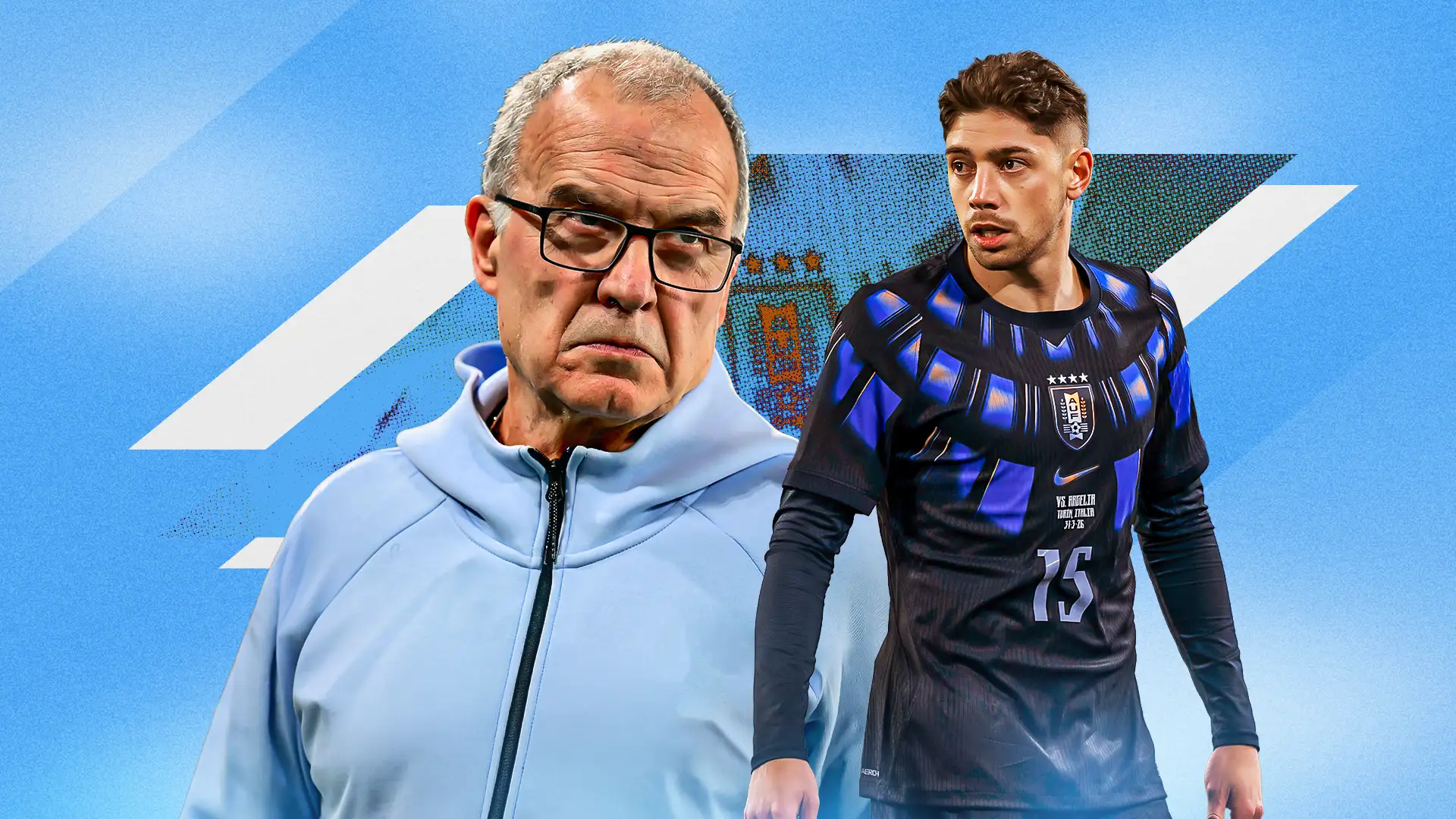
Marcelo Bielsa’s career has often followed a recognisable pattern: early impact, rapid improvement, then a growing strain as his methods demand more than teams can consistently sustain.
His spell with Uruguay appeared to mirror that trajectory.
At the 2026 World Cup, Uruguay exited at the group stage after a winless campaign, falling short of expectations. Early signs suggested structure and intensity, but as the tournament progressed the side looked increasingly stretched, with performances dipping as opponents adjusted and the physical demands of Bielsa’s approach took their toll.
The issues were not limited to results.
Reports from within the camp pointed to dressing-room tension over his intense training load and uncompromising standards. Senior players are said to have questioned the methods during the tournament, with frustration spilling into a heated internal meeting after a group-stage match that exposed a squad struggling for full alignment.
In that sense, Uruguay did not feel like an isolated case, but a continuation of themes seen throughout Bielsa’s club career.
At Athletic Club, his football brought European runs and admiration, but also signs of burnout as the intensity of his system began to wear down a limited squad over time. At Leeds United, the transformation was immediate and dramatic—promotion and a return to the Premier League—but concerns over sustainability eventually emerged as results fluctuated and physical demands remained extreme. Earlier spells at Marseille and Lazio were similarly marked by early promise followed by abrupt breakdowns or early exits.
The pattern is not simply one of failure, but of recurrence: rapid implementation of a demanding footballing identity, followed by difficulty maintaining it over longer cycles.
For admirers, none of this diminishes his influence. Bielsa’s ideas on pressing, spacing, and collective movement have reshaped modern coaching, influencing figures across Europe’s elite clubs.
But international tournaments expose a different reality. With limited time and condensed schedules, there is little space for adaptation or recovery. Uruguay highlighted that tension once again.
Ultimately, his legacy is not in question, but it is defined by contrast: between how transformative his football can be in the short term, and how difficult it can be to sustain when pressure, fatigue, and opposition adaptation accumulate.