
Feyenoord and Ajax will renew their acquaintance in the Eredivisie this weekend in a rivalry that has come to epitomise the battle for Dutch identity.
Ajax beat Feyenoord 8–2 in September 1983, a few weeks after Johan Cruyff had swapped Amsterdam for Rotterdam. Ajax had declined to renew his contract, and the score appeared to justify their decision. Then Feyenoord won the return 4–1 with Cruyff among the scorers. He finished his career by winning the league and cup double for Feyenoord, leaving Ajax with the biggest result of the two encounters and neither trophy.
The first meeting between the clubs in October 1921 had already shown how much a decision could matter. Ajax appeared to have won in Rotterdam, but Feyenoord protested over a disputed goal and the match was subsequently recorded as a draw. Both teams grew into leading Dutch clubs, giving Amsterdam and Rotterdam another occasion to compare themselves.
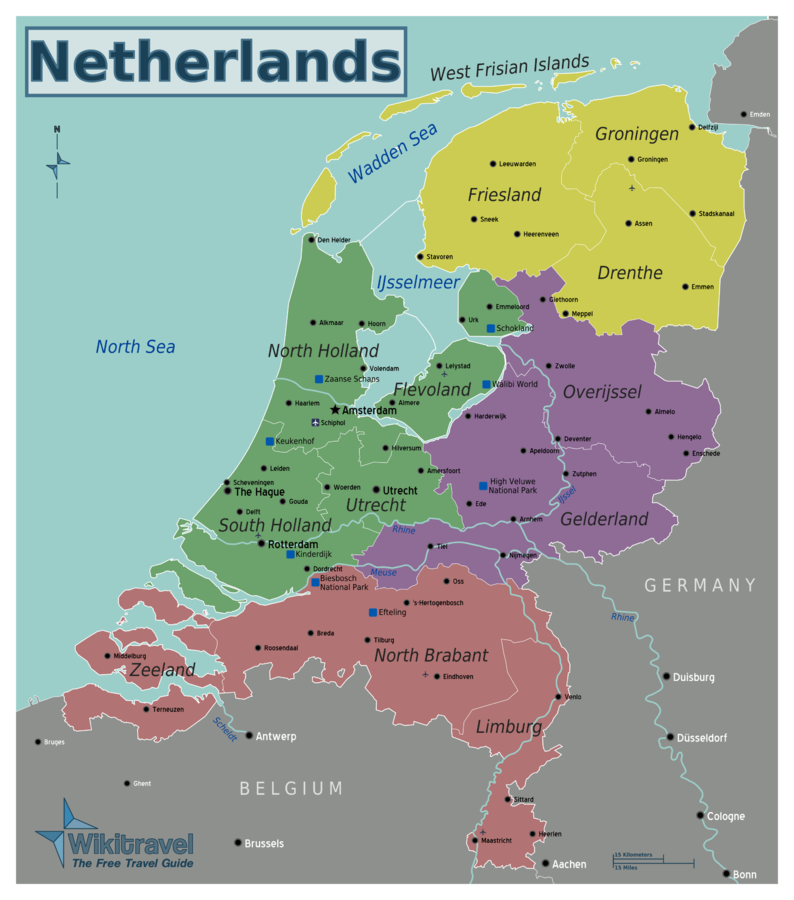
Ajax’s association with Total Football made Amsterdam a centre of tactical influence. Feyenoord drew much of their identity from Rotterdam’s port and its industrial history. The cities are fewer than 80 kilometres apart, and supporters have made much of the difference between the capital’s confidence and Rotterdam’s pride in hard work. Feyenoord also have the distinction of being the first Dutch club to win the European Cup, beating Celtic in 1970.
Cruyff was the most prominent player to cross the divide. Goalkeeper Kenneth Vermeer went from Ajax to Feyenoord in 2014 after losing his first-team place. Steven Berghuis went the other way in 2021. He had captained Feyenoord, and threats after his departure prompted extra security. Managers have occasionally made the transition more successfully. Leo Beenhakker won the Dutch league with both clubs.
The rivalry’s history of disorder includes the 1997 confrontation near Beverwijk in which Ajax supporter Carlo Picornie was killed. In 2009, the mayors of Amsterdam and Rotterdam and the Dutch football association agreed to bar visiting fans from the fixture. The absence of an away following has become one of its most conspicuous features.
There is also a history of abuse directed at Ajax’s links with Amsterdam’s Jewish community. Sections of their support have adopted Jewish symbols as part of the club’s identity. Antisemitic chants from sections of opposing crowds have given that association a darker place in the rivalry.
PSV Eindhoven have often supplied Ajax with a more sustained challenge for league titles. Feyenoord give Ajax supporters a different fixture, one that invokes the history and reputations of two cities as readily as a position in the table. The difference explains why both of Cruyff’s derbies in 1983/84 are still worth remembering. Each club has a result it can cite, and each remembers what the other achieved when the season ended.
This is one of the world’s 30th greatest rivals to feature in Football Rivals Forever, a new edition of which has just been published on Amazon.





Recent Comments