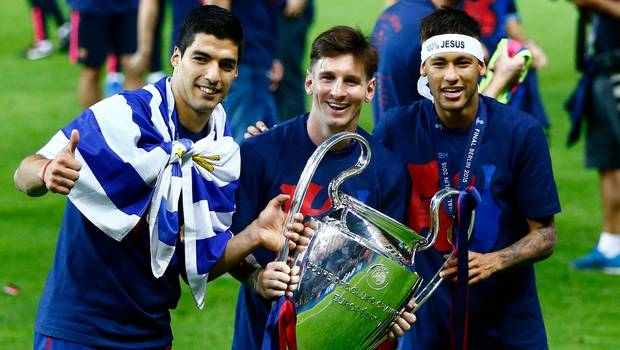
Every professional football match in Argentina this weekend will be brought to a temporary halt as part of a nationwide tribute to Lionel Messi.
Play will stop during the tenth minute of each match, when players, officials, and supporters will observe 60 seconds of applause. Where stadiums have video screens, a commemorative film celebrating Messi’s international career will also be shown before kick-off.
The timing is deliberately symbolic. Messi wore the number 10 shirt for most of his international career, inheriting the number most closely associated with Diego Maradona. Argentina’s football authorities could hardly have chosen a more visible demonstration of his place in the country’s history.
Earlier this week, Messi announced his international retirement following Argentina’s defeat by Spain in the 2026 World Cup final. At 39, he leaves after playing in six World Cups and appearing in three finals. He was a runner-up in 2014 and 2026, but captained Argentina to victory in Qatar in 2022.
He also helped them win the Copa América in 2021 and 2024, ending a long wait for senior international success and transforming his relationship with the Argentine public.
The scale of the tribute is ironic given that Messi was not always so universally loved in Argentina.
He left Rosario for Barcelona when he was 13, meaning that most Argentine supporters never watched him develop in their domestic game. Maradona, with whom he was so often compared, by contrast, became a national figure with Argentinos Juniors and Boca Juniors given before moving to Europe. Messi emerged thousands of miles away in Catalonia.
His reserved personality, muted singing of the national anthem and repeated failures in major finals contributed to the perception that Barcelona received the best of him.
Argentina lost the 2014 World Cup final before suffering successive Copa América final defeats against Chile in 2015 and 2016. He retired from international football after the second of those defeats, only to change his mind a few weeks later.
Victory in the 2021 Copa América changed everything. Argentina defeated Brazil at the Maracanã, giving Messi his first senior international trophy and ending the country’s 28-year wait for a major title.
Winning the World Cup the following year completed the transformation. Messi scored seven times, including twice in the final against France, and led Argentina through the tournament’s decisive moments.
The tenth-minute tribute represents Argentina’s acknowledgement that Messi now belongs completely to the country whose approval he once struggled to secure.
Maradona’s connection with Argentina was immediate and emotional. Messi’s developed more slowly, across two decades of comparisons and disappointments. He did not replace Maradona in the country’s affections but established a separate place beside him.
For one minute this weekend, football across Argentina will stop. The applause will mark not only the retirement of the country’s greatest goalscorer, but the final reconciliation between Messi and the nation he spent much of his career trying to satisfy.